Heritage Roofing Specialists

Heritage roofing specialists for listed building roof repairs, conservation roofing, churches, traditional slate, leadwork and lime mortar.

Overview of heritage roofing expertise

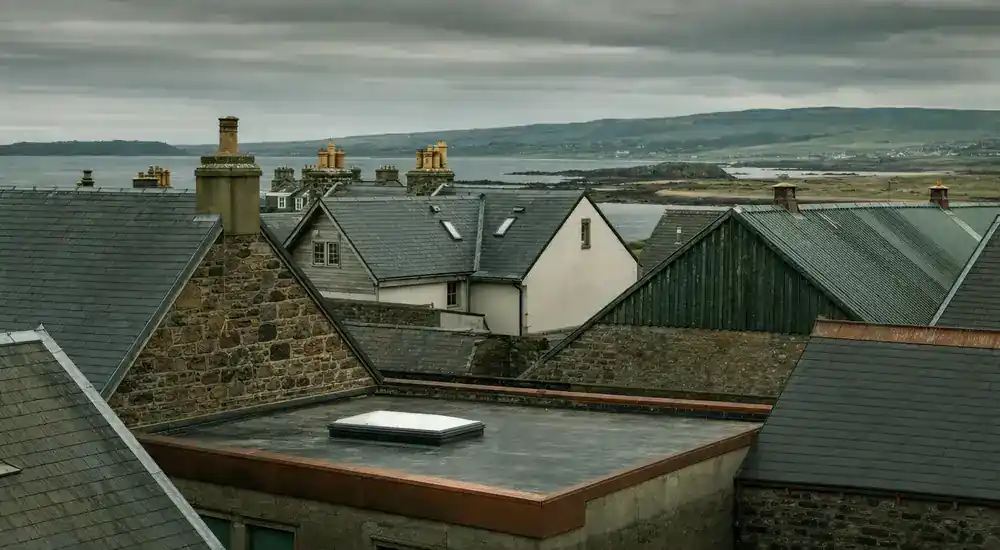
Heritage roofing needs more than a watertight repair. The work has to respect the roof fabric, existing materials, roofscape character and any conservation constraints around the building.

Owners can compare listed building repairs, church roofing, conservation roofing, traditional slate, heritage leadwork, lime mortar detailing and heritage roof surveys before choosing the safest next step.

Listed buildings and conservation-sensitive repairs

Repair work should identify what can be retained, what needs careful matching and what may need advice before the roof appearance or materials are changed.

Churches, public buildings and historic properties

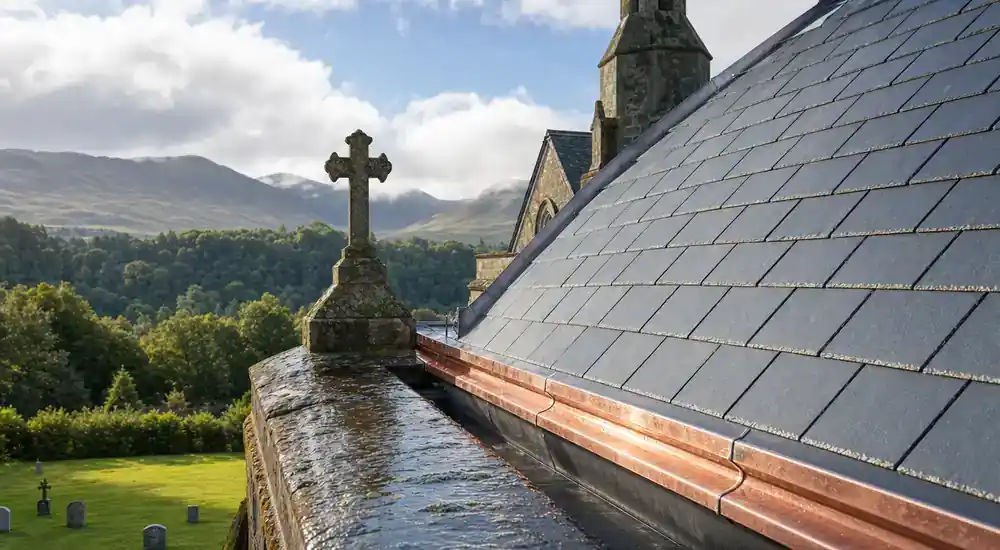
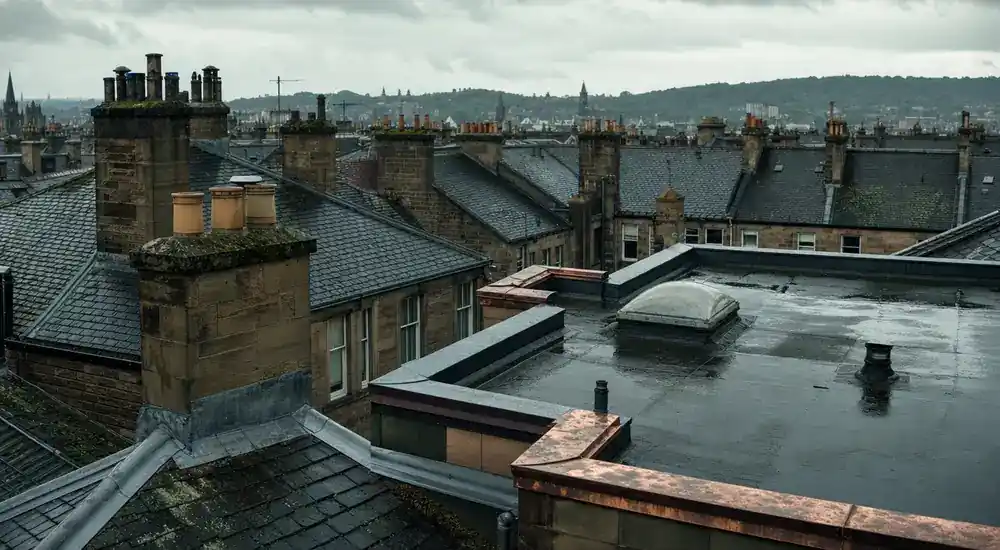
Larger historic roofs often need staged access, careful temporary weatherproofing and clear survey priorities before slate, leadwork, gutters or masonry details are repaired.

Traditional materials: slate, lead and lime mortar

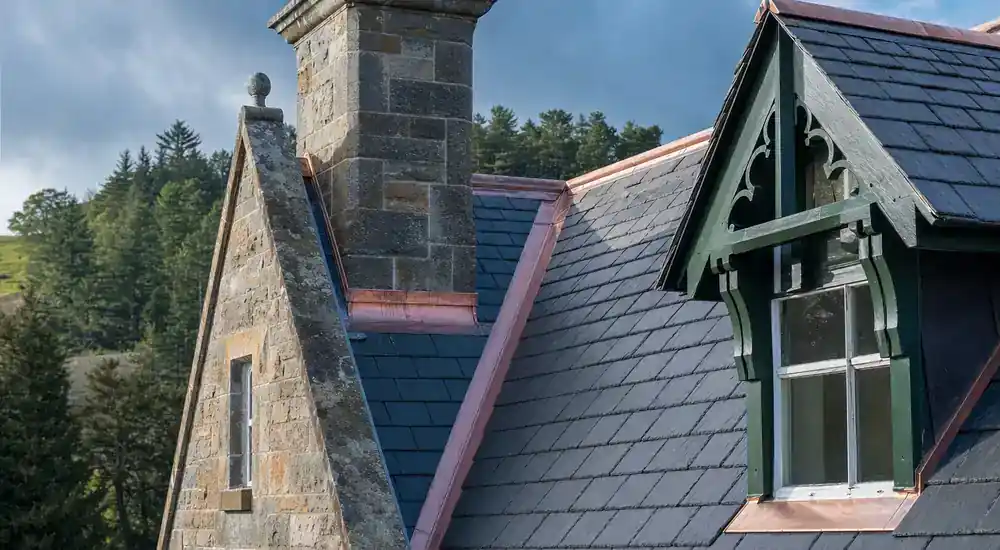
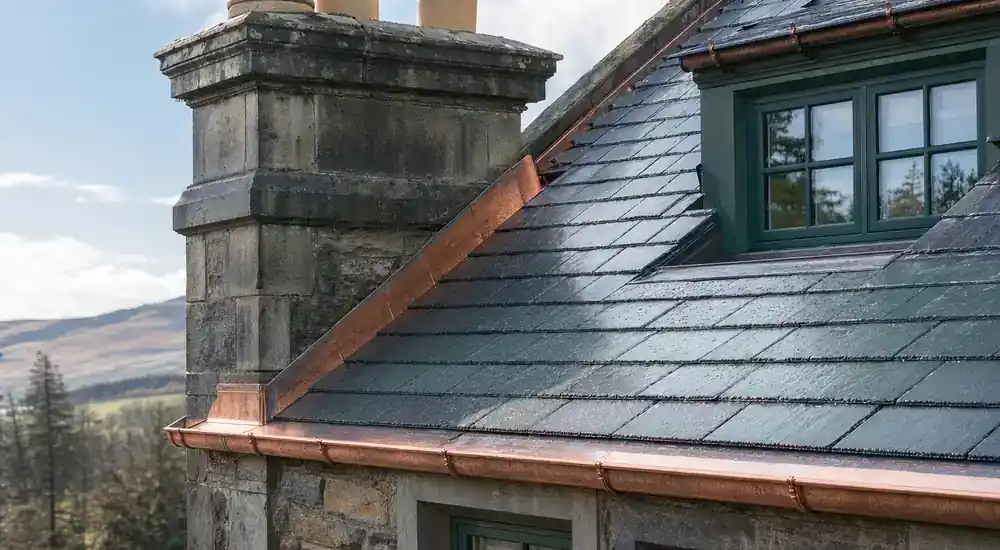
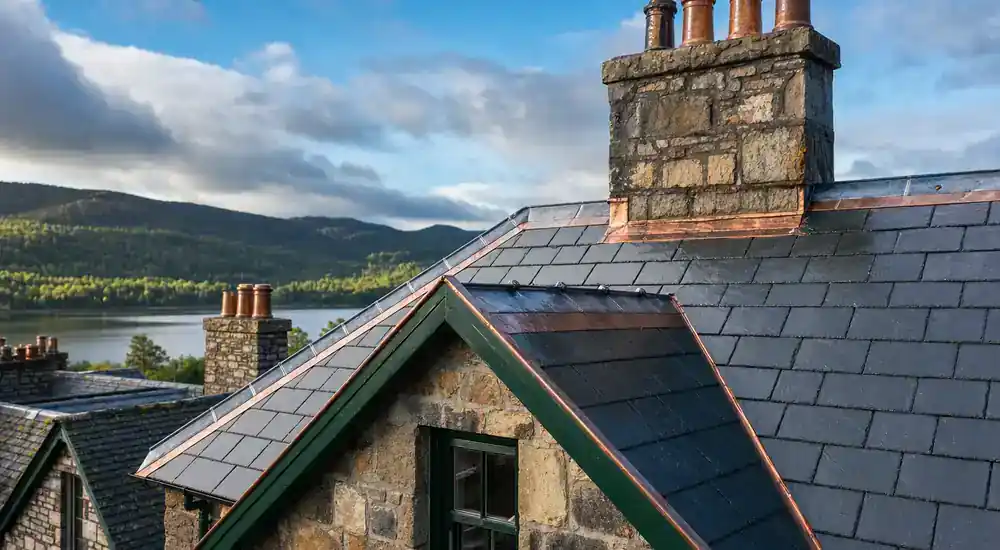
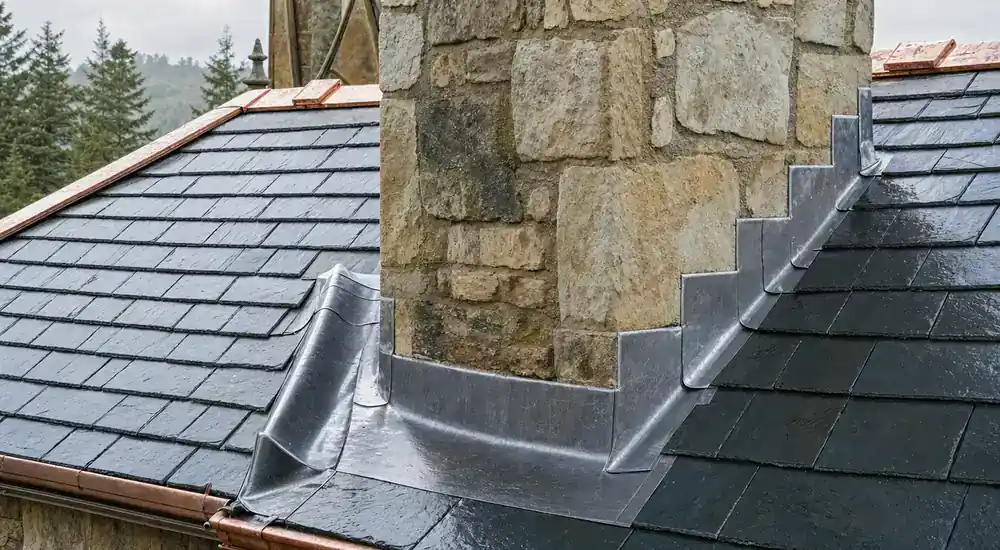
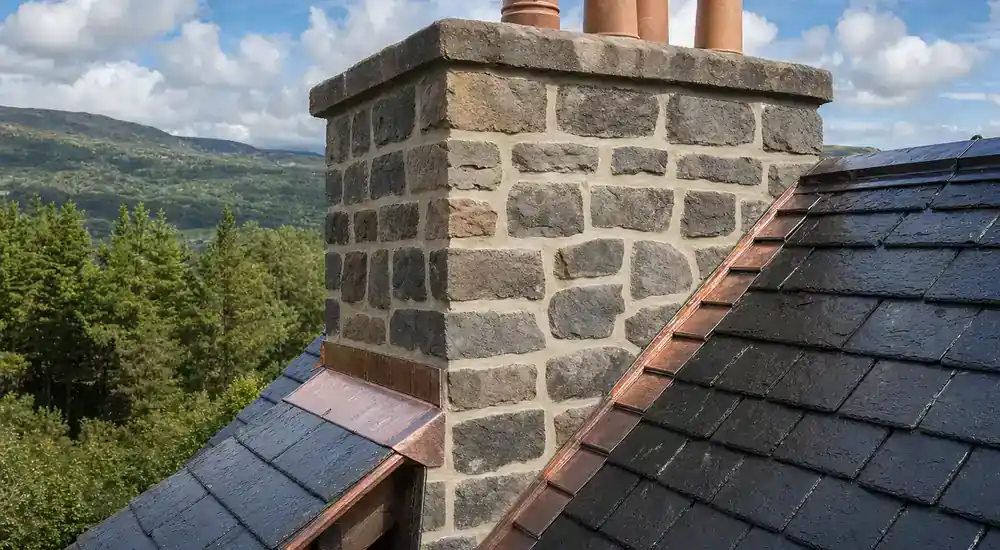
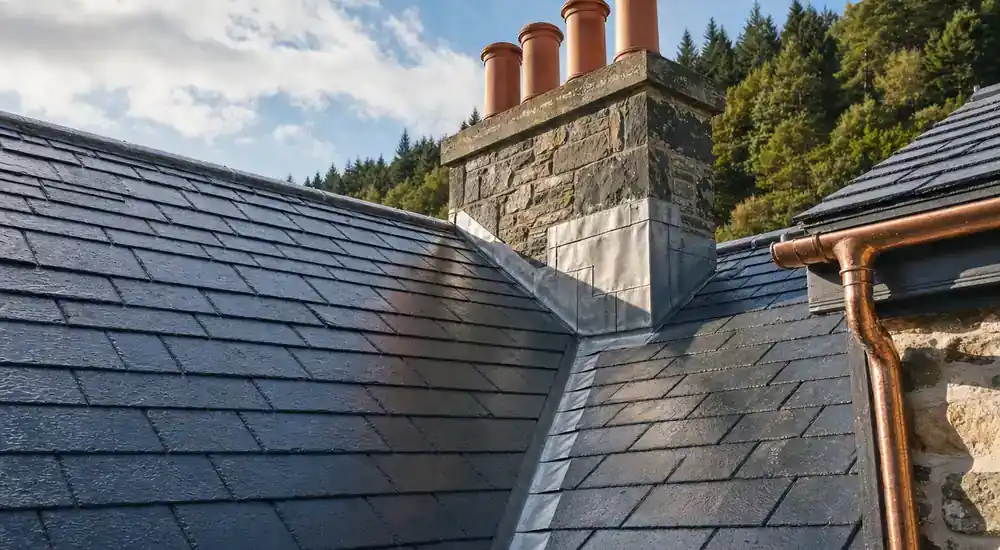
Natural slate, lead valleys, chimney flashings and lime mortar details usually define how a historic roof performs. Compatible repair choices reduce the risk of trapping moisture or changing the roof character.

Heritage roof surveys and case studies

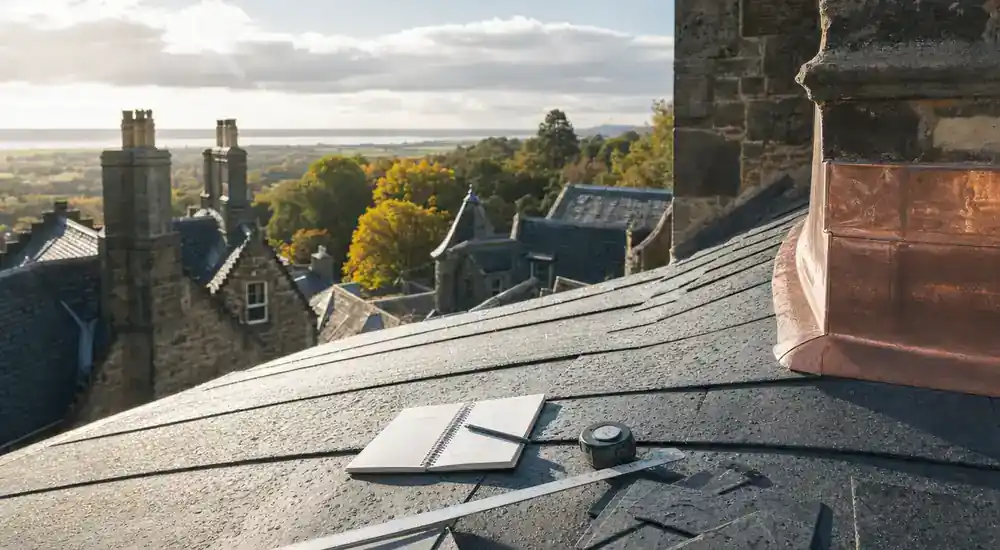
A heritage survey records visible defects, material condition, repair urgency and fabric-sensitive recommendations. Case studies then support trust by showing how similar roof details were handled.

Heritage roofing services

Heritage roofing advice

Heritage case studies

Priority areas covered

FAQs

Answers are visible on-page so the FAQ schema mirrors real content.

What makes heritage roofing different?

Heritage Roofing must protect historic fabric, roof character and weathering details while still making the building watertight.

Can traditional materials be retained?

Retention is usually the starting point when slate, lead and lime details remain serviceable. Sound natural slate, lead and lime details should usually be repaired or matched rather than replaced with unsuitable modern shortcuts.

Is listed building consent always needed?

Some like-for-like maintenance may be straightforward, but listed buildings and conservation settings can need advice before materials, details or roof appearance are changed.

What should a heritage roof survey cover?

A survey should record slate condition, leadwork, chimneys, mortar, gutters, access, previous repairs, water entry points and any conservation constraints.

Do you work on churches and public buildings?

Yes. The heritage roofing structure includes churches, public buildings, listed buildings and older private properties where staged access and careful specification matter.

How are leaks handled on historic roofs?

Leaks should be stabilised without damaging the building fabric. Permanent repairs then need compatible materials and clear documentation of the affected details.

Which related heritage pages should I read?

Start with listed building repairs, heritage surveys, traditional slate roofing and heritage leadwork. Heritage roof decisions often need survey evidence, slate and leadwork checks, lime mortar awareness and listed-building context.

Which areas are covered for heritage roofing?

The priority Scottish area pages include a heritage section and link back to listed building roof repairs, keeping local heritage intent connected to the main hub.

Planning work on a historic roof?

Start with a conservation-sensitive inspection before committing to a repair scope.

Request an inspection

Tell us what is happening with your roof

Answer a few focused questions so the roofing team can understand the roof type, urgency and access before calling you.

Step 1 of 1